Placeholder
Loading...
Book NameAuthor Name
Loading...
Book NameAuthor Name
Loading...
Book NameAuthor Name
Loading...
Book NameAuthor Name
Loading...
Book NameAuthor Name
Loading...
Book NameAuthor Name
Loading...
Book NameAuthor Name
Loading...
Book NameAuthor Name
Loading...
Book NameAuthor Name
Loading...
Book NameAuthor Name
1.2.3.4.5.6

Featured Books of the Month

Loading...
Book Name
Loading...
Book Name
Loading...
Book Name
instagram
facebook
twitter
linkdin
linkdin
tiktok
threads

COMPANY

  • About Us
  • Contact Us
  • Partners
  • FAQ

EXPLORE

  • Book Clubs
  • How It Works
  • Genres

LEGAL

  • Privacy Policy
  • Terms and Conditions
  • Cookie Policy
  • Data and Privacy Preferences

CONNECT

  • Newsletter Signup
  • Affiliate Programme
  • Blog / Editorial
Powered by World Privilege Plus
Loading...
Book NameAuthor Names2024
Genres: List of Genres
PlaceholderPlaceholderPlaceholderPlaceholder
PlaceholderPlaceholderPlaceholder
Write a comment/review
Your rating
Post
User name
0 reviews
165 followers
PlaceholderPlaceholder
July 31, 2026
User name
0 reviews
165 followers
PlaceholderPlaceholder
July 31, 2026
User name
0 reviews
165 followers
PlaceholderPlaceholder
July 31, 2026
User name
0 reviews
165 followers
PlaceholderPlaceholder
July 31, 2026
User name
0 reviews
165 followers
PlaceholderPlaceholder
July 31, 2026
1.2.3.4.5.6
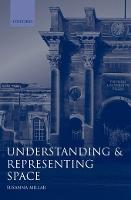
Understanding and Representing Space: Theory and Evidence from Studies with Blind and Sighted Children

Understanding and Representing Space: Theory and Evidence from Studies with Blind and Sighted Children

Susanna Millar

1994

Genres: PsychologyEducation

This book breaks new ground in our understanding of how we perceive and represent the space around us - one of the central topics in cognitive psychology. It presents a new view of development and spatial cognition by reversing the usual focus on vision and examining the evidence on representation in the total absence of vision without specific brain damage. Findings from the author's work with congenitally totally blind and with sighted children, together with studies from a wide variety of other areas, are set in the context of intersensory and spatial development. Touch and movement are considered as converging sources of reference information with and without vision. The findings have important implications for future work in many fields, particularly developmental pscychology; cognition, cognitive neuroscience and visual handicap, and make this new work essential reading for students and researchers in these fields.
Want to ReadMark as ReadReviewsEdit

Write a comment/review

Sign UpLogin
User name
0 reviews
165 followers
PlaceholderPlaceholder
July 31, 2026
User name
0 reviews
165 followers
PlaceholderPlaceholder
July 31, 2026
User name
0 reviews
165 followers
PlaceholderPlaceholder
July 31, 2026
User name
0 reviews
165 followers
PlaceholderPlaceholder
July 31, 2026
User name
0 reviews
165 followers
PlaceholderPlaceholder
July 31, 2026
1.2.3.4.5.6
Subscribe to elevate magazine
BookfellersBeta
  • Clubs
Sign Up
Sign in
Add a book club
|Join a club
|
|
|
|eBooks
|Bookfellers rewards
Exclusive savings
Reader's Voices
Reader's Voices
Join a club
Join a club
Children
Children
Non-Fiction
Non-Fiction
Fiction
Fiction
eBooks
eBooks
Bookfellers rewards
Bookfellers rewards
Exclusive savings